





Arsenale Bosphorus - Limited Edition
Shipments begin from August 28th
 Flexible payment options available at checkout.
 Pay in up to 12 installments at checkout
For centuries, Venice and Istanbul, formerly Constantinople, were connected by a dense network of trade routes, cultural exchanges, and artistic influences that crossed the Mediterranean, shaping a shared history between two great maritime powers. From the commercial privileges granted to Venetian merchants to the thriving relationships established in the district of Galata, this connection fostered the circulation of ideas, craftsmanship, and traditions between East and West. Arsenale Bosphorus was created to celebrate this centuries-old dialogue, reinterpreting its legacy through details inspired by the meeting of two worlds that, over time, helped shape one another.
CASE MATERIAL: 316L Stainless Steel
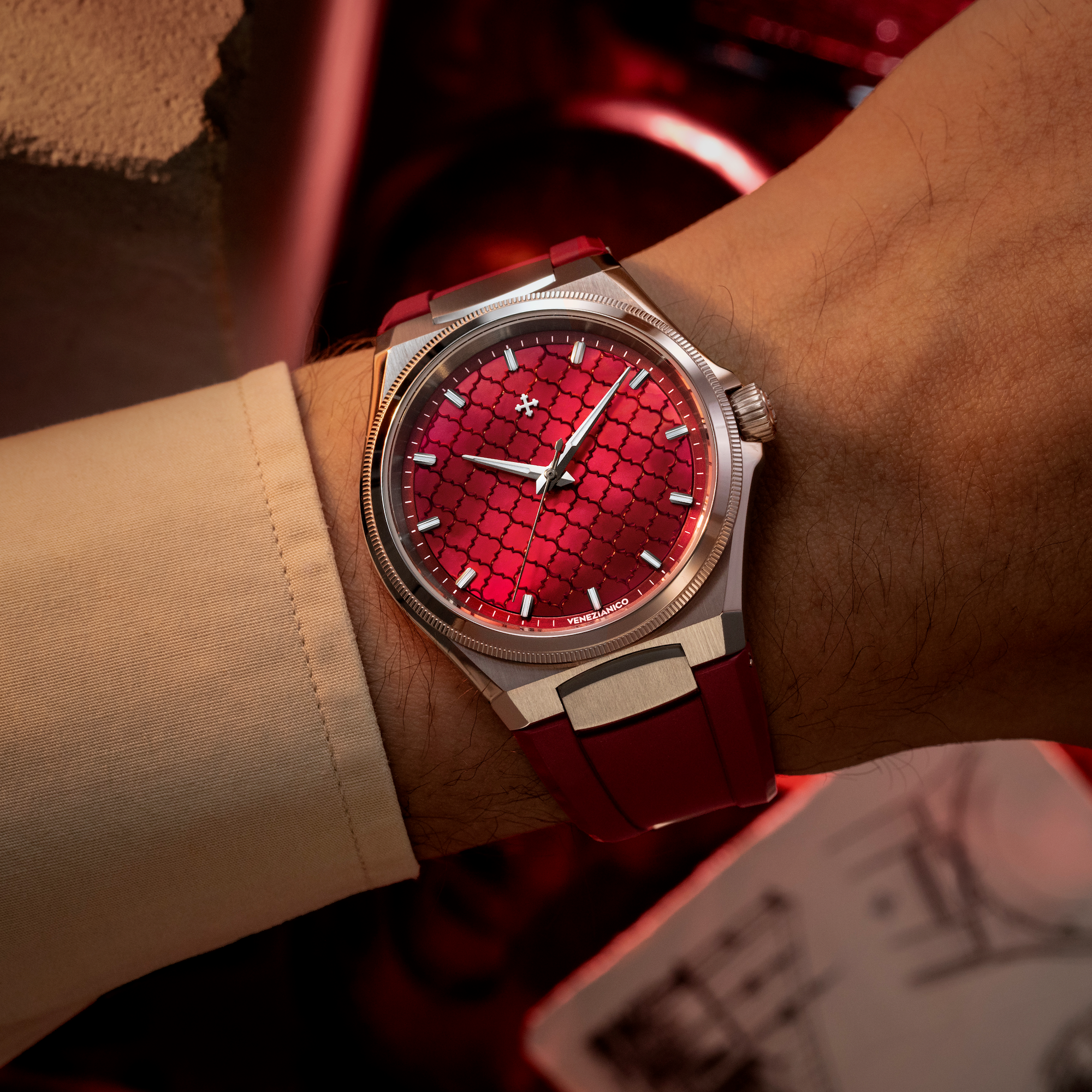
DIMENSIONS: Ø40mm, 44mm lug-to-lug
THICKNESS: 9.95mm (including crystal)
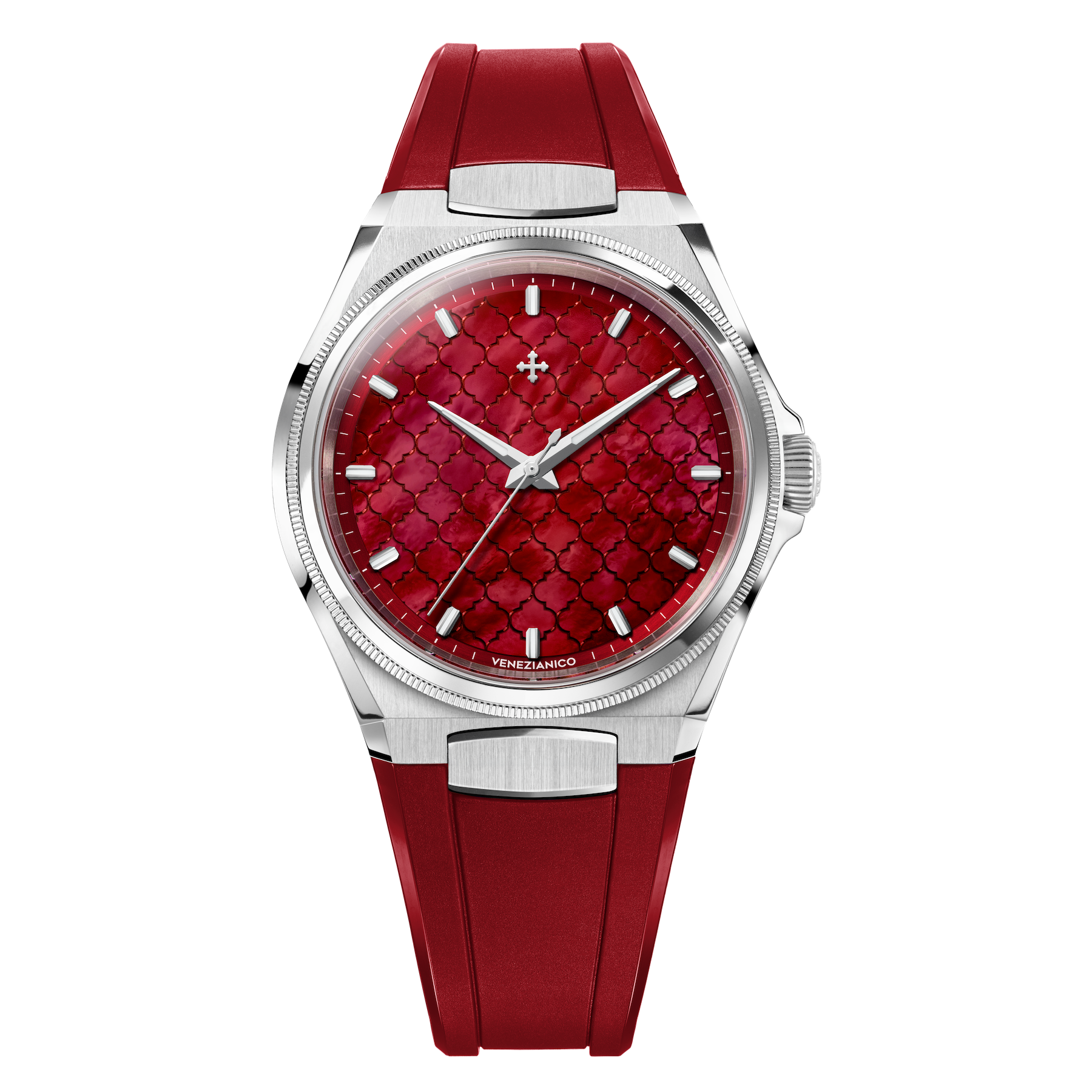
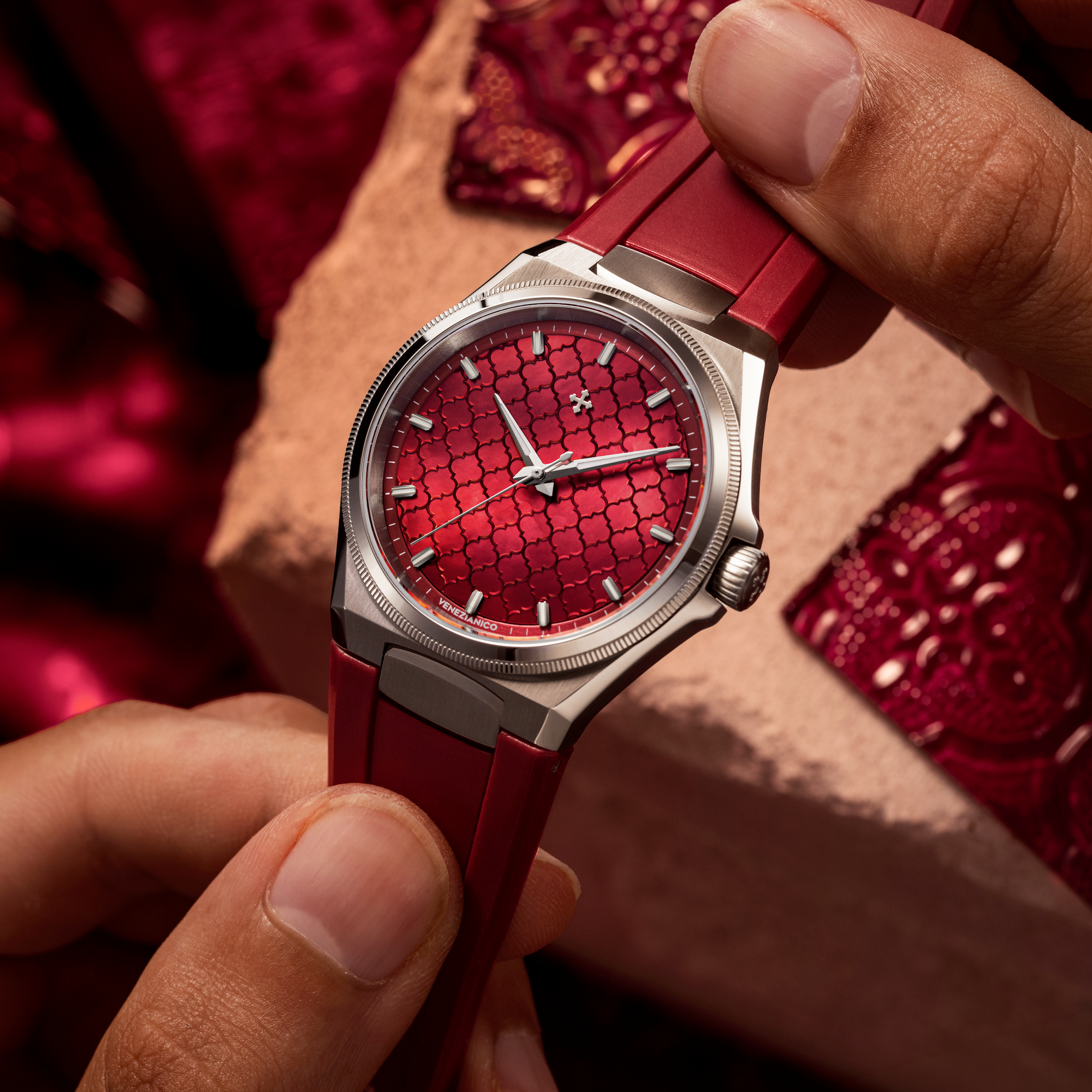
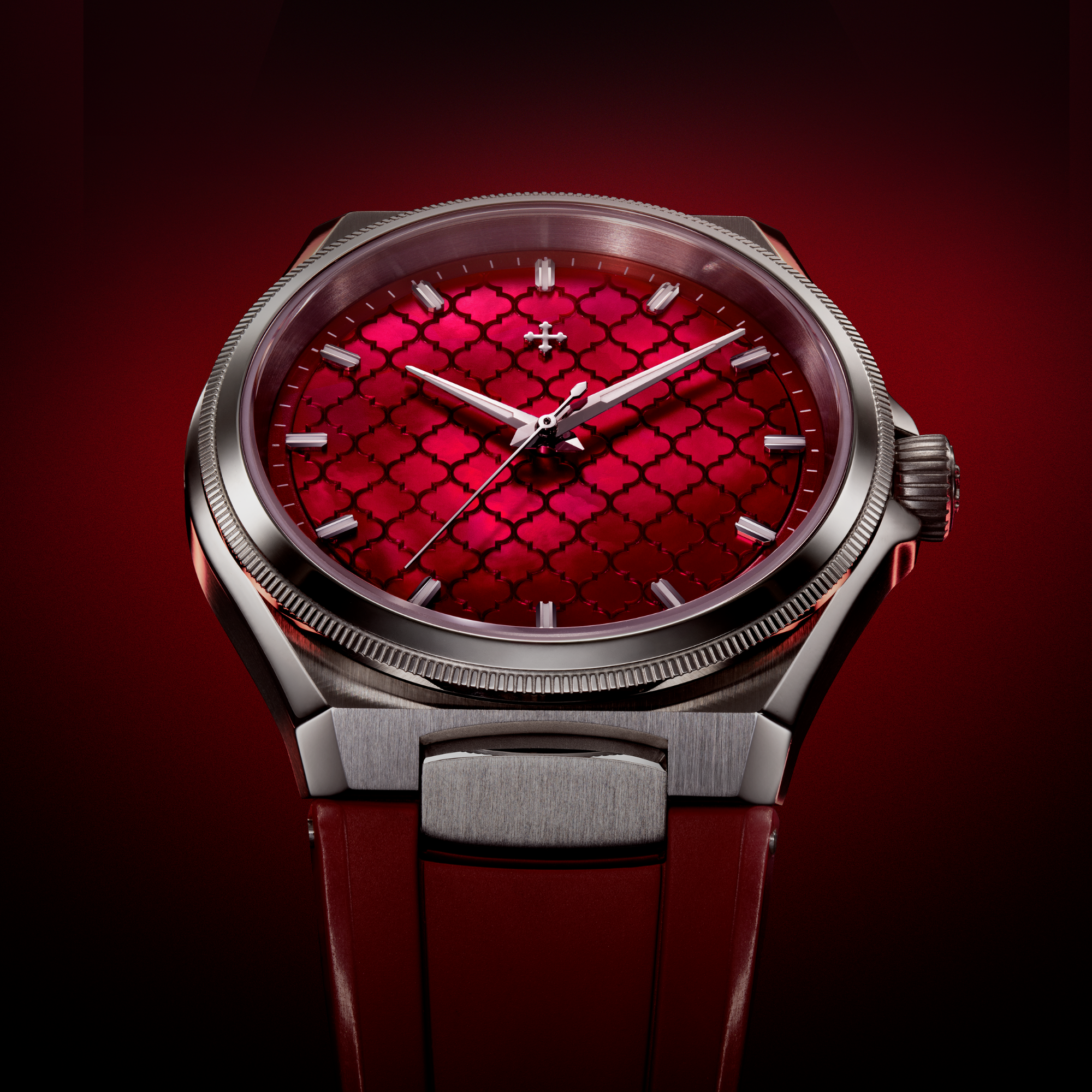
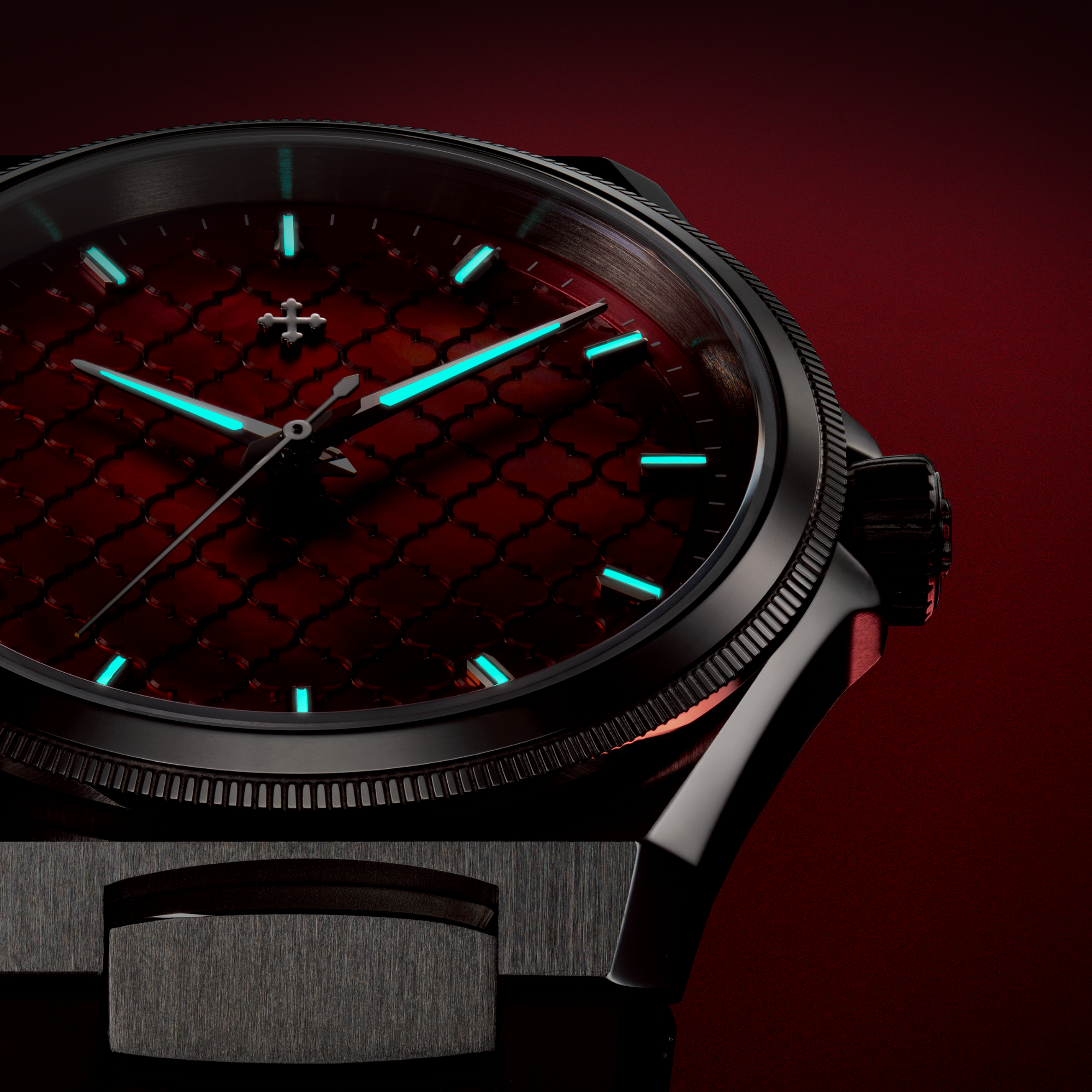
DIAL: Natural red mother-of-pearl, diamond-cut and decorated with a geometric pattern inspired by Ottoman art
MOVEMENT: Cal. Miyota 9039 Automatic
CRYSTAL: Sapphire crystal with anti-reflective coating
BEZEL: 316L Stainless Steel
WATER RESISTANCE: 5 ATM (50 meters)
STRAP: Integrated rubber strap with stainless steel end links
All orders include free shipping. Here are the average delivery times:
- EU Countries: 1-2 business days
- United Kingdom: 2-3 business days
- USA: 2-3 business days
- Other Countries: 2-5 business days
If the watch does not meet expectations, it can be returned within 14 days for a full refund of the purchase amount. For more info, check out our Terms and Conditions.

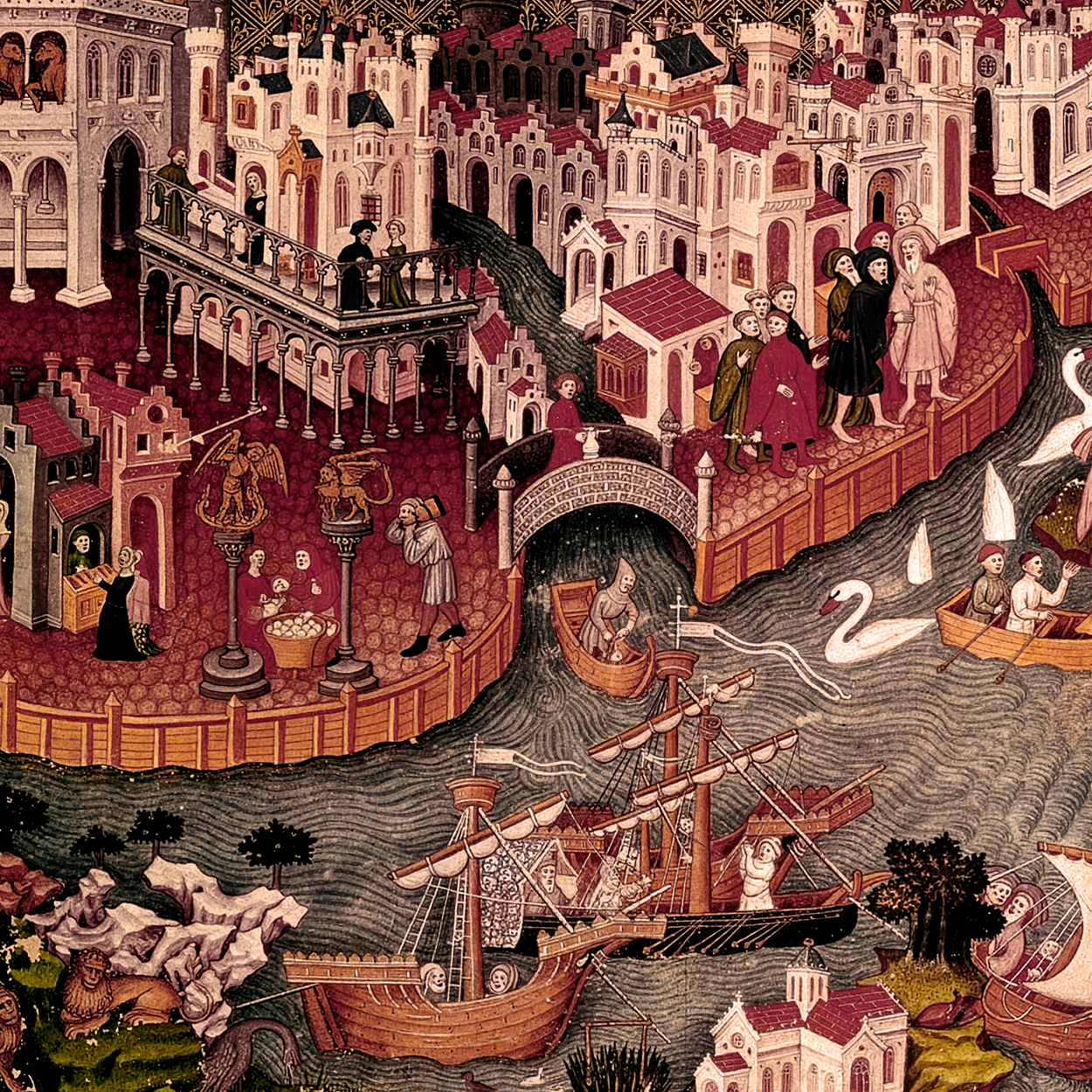
For centuries Venice and Istanbul have been among the most important meeting points in the Mediterranean. Situated along the major trade routes of their time, they welcomed merchants, travelers, and ambassadors from every corner of the known world. Through these routes flowed not only precious goods, but also ideas, knowledge, and cultural influences. It was this constant exchange that transformed two maritime cities into centers of extraordinary cultural vitality, destined to influence one another for centuries.
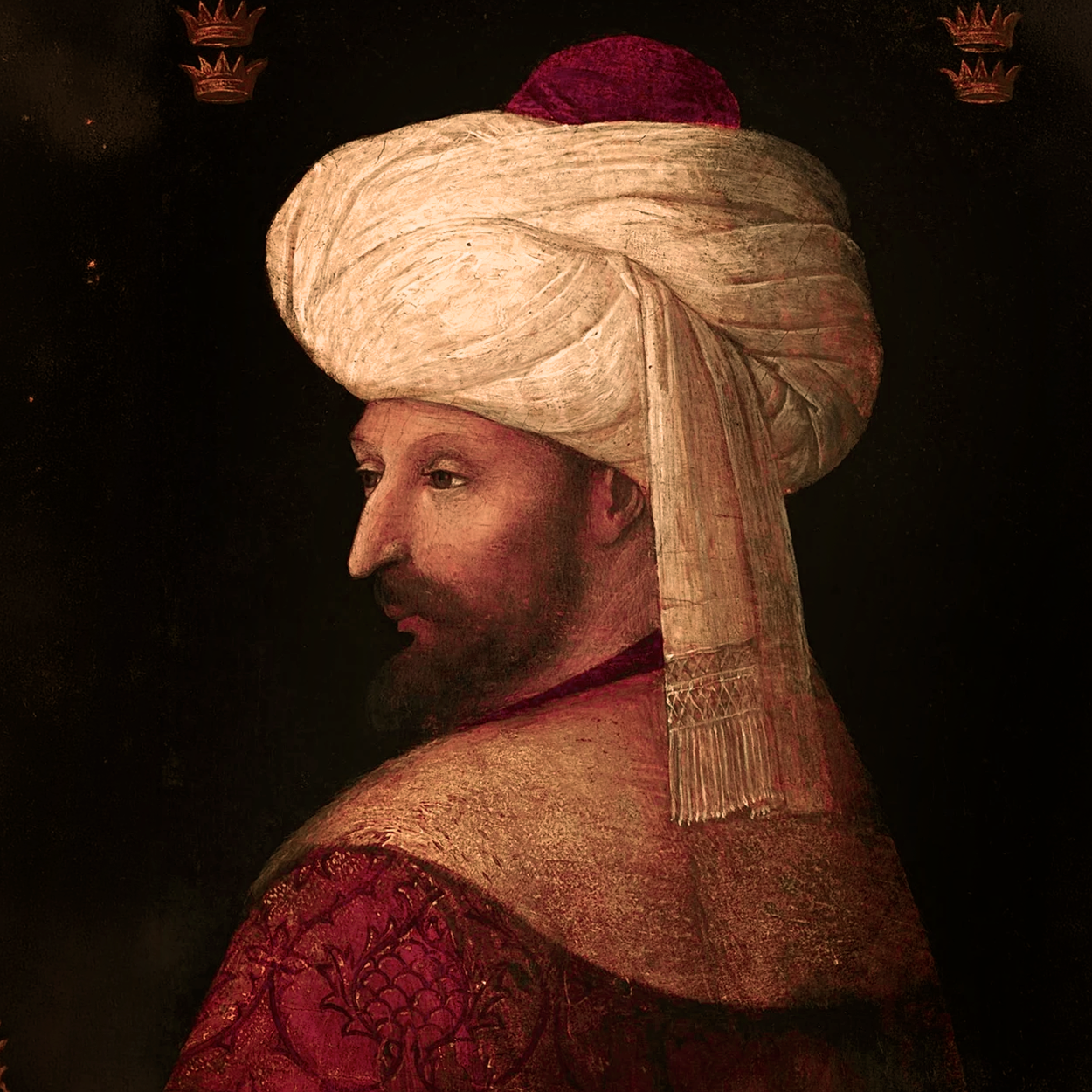
Among the numerous testimonies to this bond, none is more emblematic than Gentile Bellini's journey to the court of Sultan Mehmed II. In 1479, a few years after the conquest of Constantinople, the Serenissima sent the Venetian master to the Ottoman capital as a symbol of a new dialogue between the two civilizations. His works reflected an encounter that went beyond trade, demonstrating how art and culture could build bridges where the sea separated the lands.
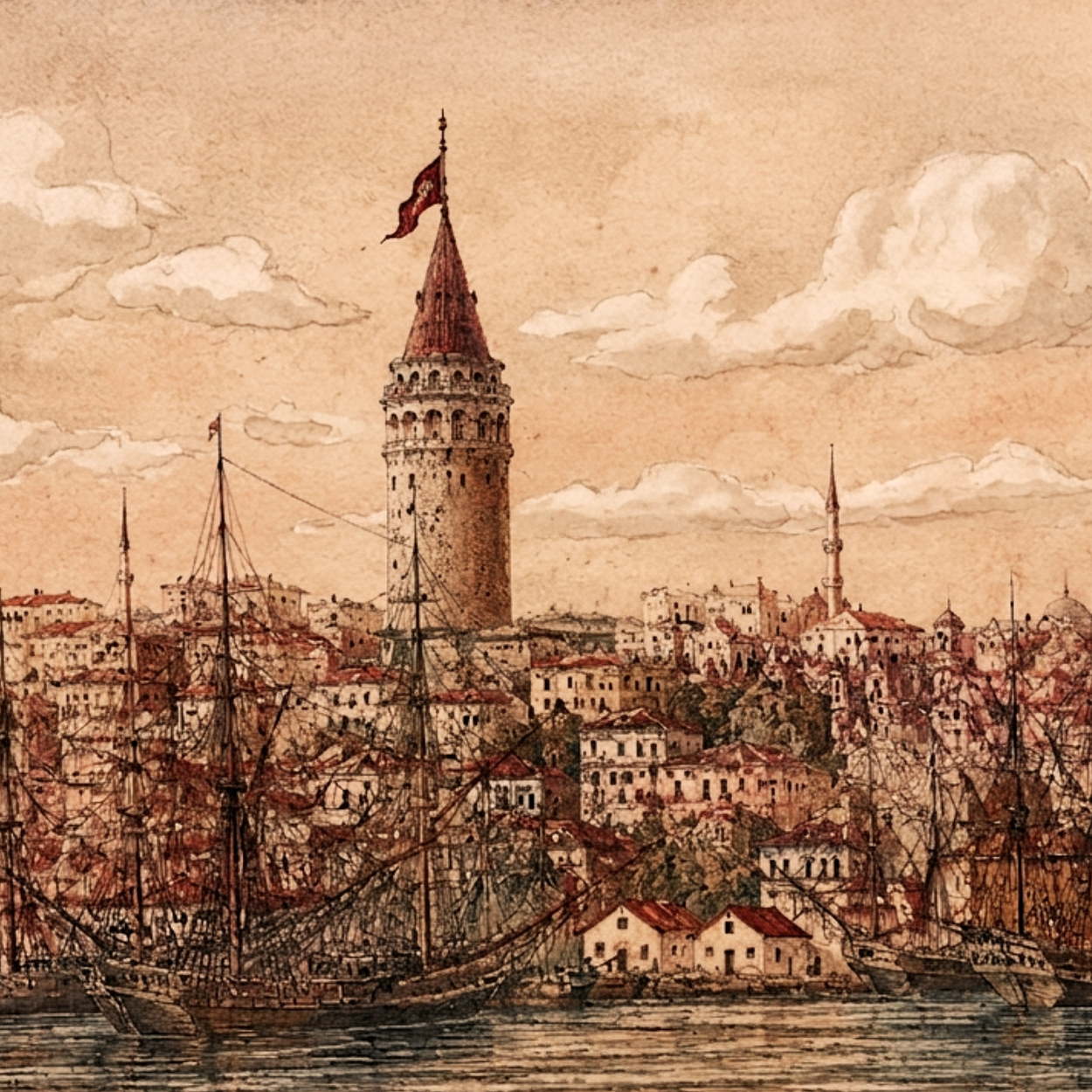
That dialogue found its most tangible expression in the district of Galata. Overlooking the Golden Horn, this historic quarter hosted Venetian merchants, diplomats, and communities for centuries, becoming one of the principal points of contact between the Serenissima and Istanbul. Within its ports and streets, trade, languages, and traditions from across the Mediterranean intertwined. Even today, Galata remains one of the most tangible testimonies of the bond that united Venice and the Bosphorus, transforming the exchange between two worlds into a shared history.
For centuries Venice and Istanbul have been among the most important meeting points in the Mediterranean. Situated along the major trade routes of their time, they welcomed merchants, travelers, and ambassadors from every corner of the known world. Through these routes flowed not only precious goods, but also ideas, knowledge, and cultural influences. It was this constant exchange that transformed two maritime cities into centers of extraordinary cultural vitality, destined to influence one another for centuries.
Among the numerous testimonies to this bond, none is more emblematic than Gentile Bellini's journey to the court of Sultan Mehmed II. In 1479, a few years after the conquest of Constantinople, the Serenissima sent the Venetian master to the Ottoman capital as a symbol of a new dialogue between the two civilizations. His works reflected an encounter that went beyond trade, demonstrating how art and culture could build bridges where the sea separated the lands.
That dialogue found its most tangible expression in the district of Galata. Overlooking the Golden Horn, this historic quarter hosted Venetian merchants, diplomats, and communities for centuries, becoming one of the principal points of contact between the Serenissima and Istanbul. Within its ports and streets, trade, languages, and traditions from across the Mediterranean intertwined. Even today, Galata remains one of the most tangible testimonies of the bond that united Venice and the Bosphorus, transforming the exchange between two worlds into a shared history.

Mirrored Architecture: The Orient in Venice
Long before Venice and Istanbul were connected by diplomatic and commercial relations, they were already linked by a shared visual heritage. Ornamental motifs, plays of light, mosaics, and architectural decorations spread along the Mediterranean routes, helping shape the aesthetics of both cities. From this cultural exchange emerged an artistic language capable of transcending centuries and borders. Arsenale Bosphorus pays tribute to this shared history, reinterpreting its forms and inspirations through a contemporary lens.

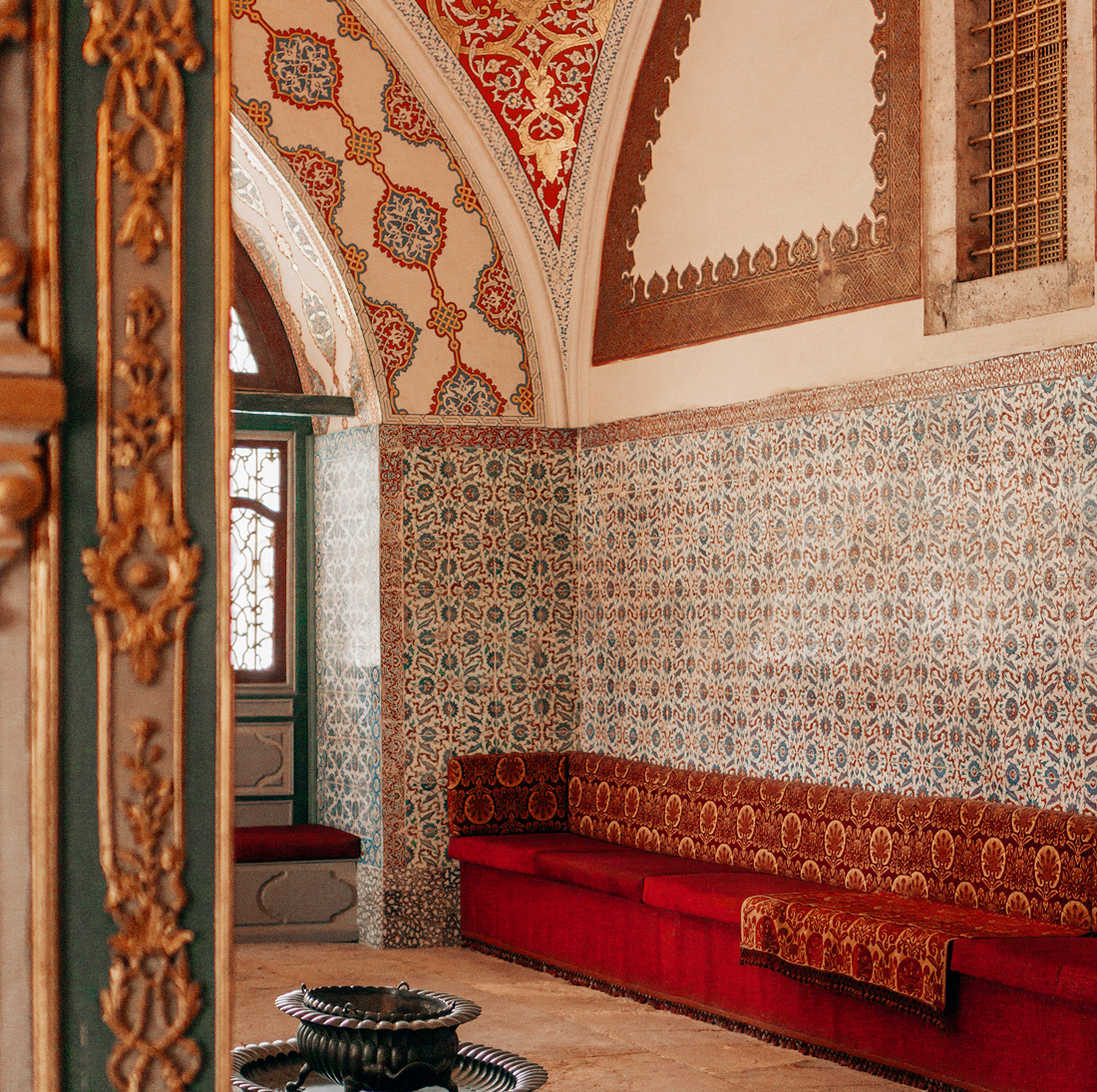
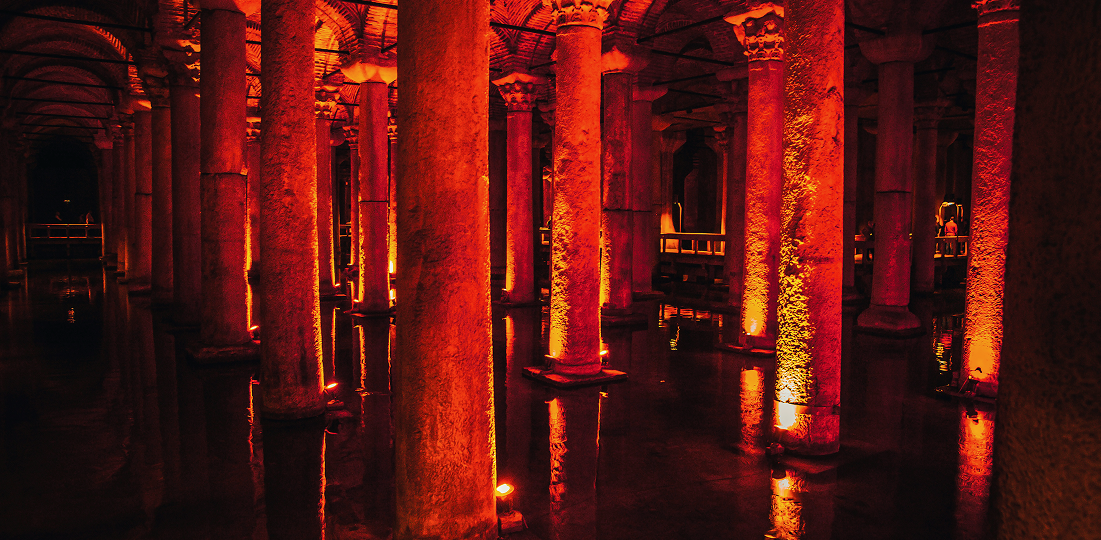
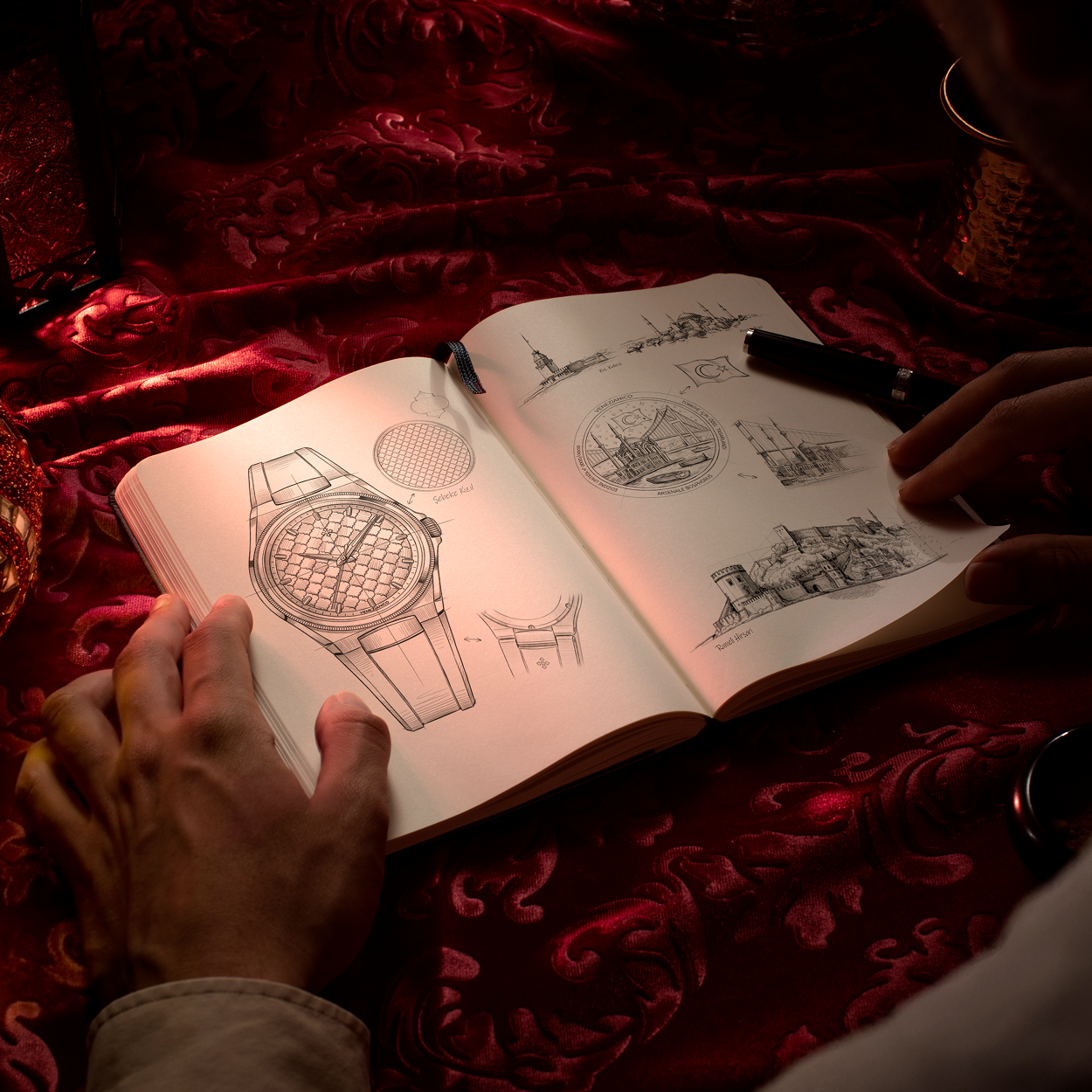
The dial of Arsenale Bosphorus is born from the reinterpretation of ornamental motifs that characterized Ottoman art for centuries. Its pattern draws inspiration from the quatrefoil, a four-lobed motif widely found in İznik ceramics, court textiles, and architectural decorations that adorned Istanbul between the 15th and 17th centuries. Through the modular repetition of this form, Ottoman artisans transformed geometry into a visual language of harmony, balance, and continuity. Arsenale Bosphorus embraces this legacy and reimagines it in a contemporary way, transforming an ancient decorative motif into a pattern that still tells the story of the dialogue between Venice and Istanbul today.

To bring this design to life, the dial is machined while the mother-of-pearl is still in its raw state, before the colouring and finishing stages begin. Using high-precision CNC technology, a diamond-tipped tool engraves the surface, faithfully reproducing the ornamental motif inspired by Ottoman art. Each groove is cut with microscopic tolerances, preserving the continuity of the pattern while enhancing the natural character of the mother-of-pearl. At this stage, the dial acquires its three-dimensional architecture, a hidden structure that gradually emerges through the subsequent manufacturing processes.
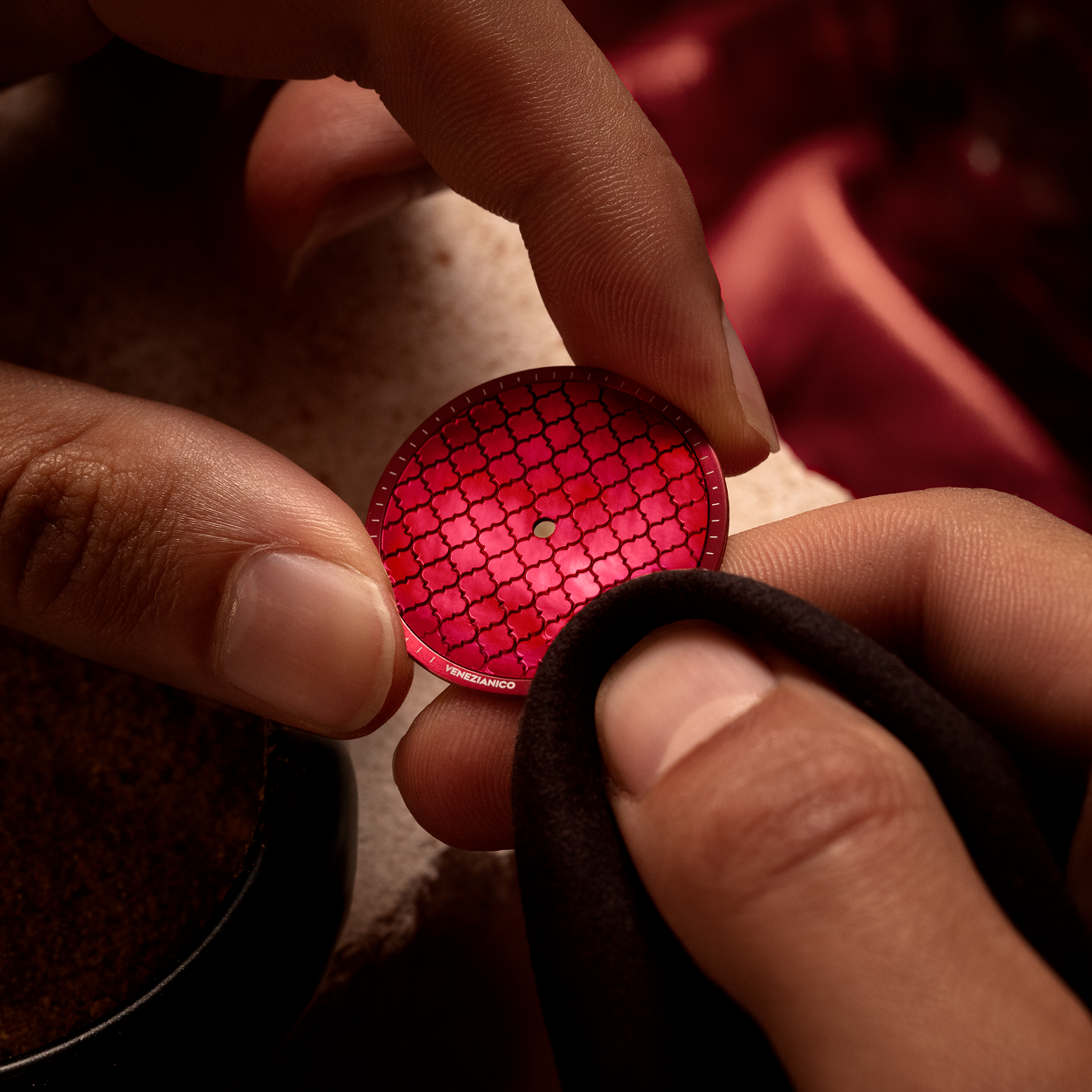
Following the engraving process, the dial undergoes a series of treatments designed to enhance its depth and character. The intense red coloration combines with the previously sculpted structure, allowing light to interact with the mother-of-pearl in constantly changing ways. The meeting of geometric engravings and the material's natural iridescence creates a continuous interplay of reflections, shadows, and chromatic variations. The result is a living, dynamic surface in which the ornamental motif does not simply appear printed, but seems to emerge from within the dial itself, transforming with every change in perspective.
The dial of Arsenale Bosphorus is born from the reinterpretation of ornamental motifs that characterized Ottoman art for centuries. Its pattern draws inspiration from the quatrefoil, a four-lobed motif widely found in İznik ceramics, court textiles, and architectural decorations that adorned Istanbul between the 15th and 17th centuries. Through the modular repetition of this form, Ottoman artisans transformed geometry into a visual language of harmony, balance, and continuity. Arsenale Bosphorus embraces this legacy and reimagines it in a contemporary way, transforming an ancient decorative motif into a pattern that still tells the story of the dialogue between Venice and Istanbul today.
To bring this design to life, the dial is machined while the mother-of-pearl is still in its raw state, before the colouring and finishing stages begin. Using high-precision CNC technology, a diamond-tipped tool engraves the surface, faithfully reproducing the ornamental motif inspired by Ottoman art. Each groove is cut with microscopic tolerances, preserving the continuity of the pattern while enhancing the natural character of the mother-of-pearl. At this stage, the dial acquires its three-dimensional architecture, a hidden structure that gradually emerges through the subsequent manufacturing processes.
Following the engraving process, the dial undergoes a series of treatments designed to enhance its depth and character. The intense red coloration combines with the previously sculpted structure, allowing light to interact with the mother-of-pearl in constantly changing ways. The meeting of geometric engravings and the material's natural iridescence creates a continuous interplay of reflections, shadows, and chromatic variations. The result is a living, dynamic surface in which the ornamental motif does not simply appear printed, but seems to emerge from within the dial itself, transforming with every change in perspective.

Technical details
Ø40 mm, lug-to-lug 44 mm, total thickness 9.95 mm
316L Stainless Steel
Natural red mother-of-pearl, diamond-cut and decorated with a geometric pattern inspired by Ottoman art
Miyota 9039, automatic, 3-hands, no date
Swiss-Made BGW9 Super-LumiNova®
316L Stainless Steel
Sapphire with anti-reflective coating
Screwed
Engraved, fixed with six screws

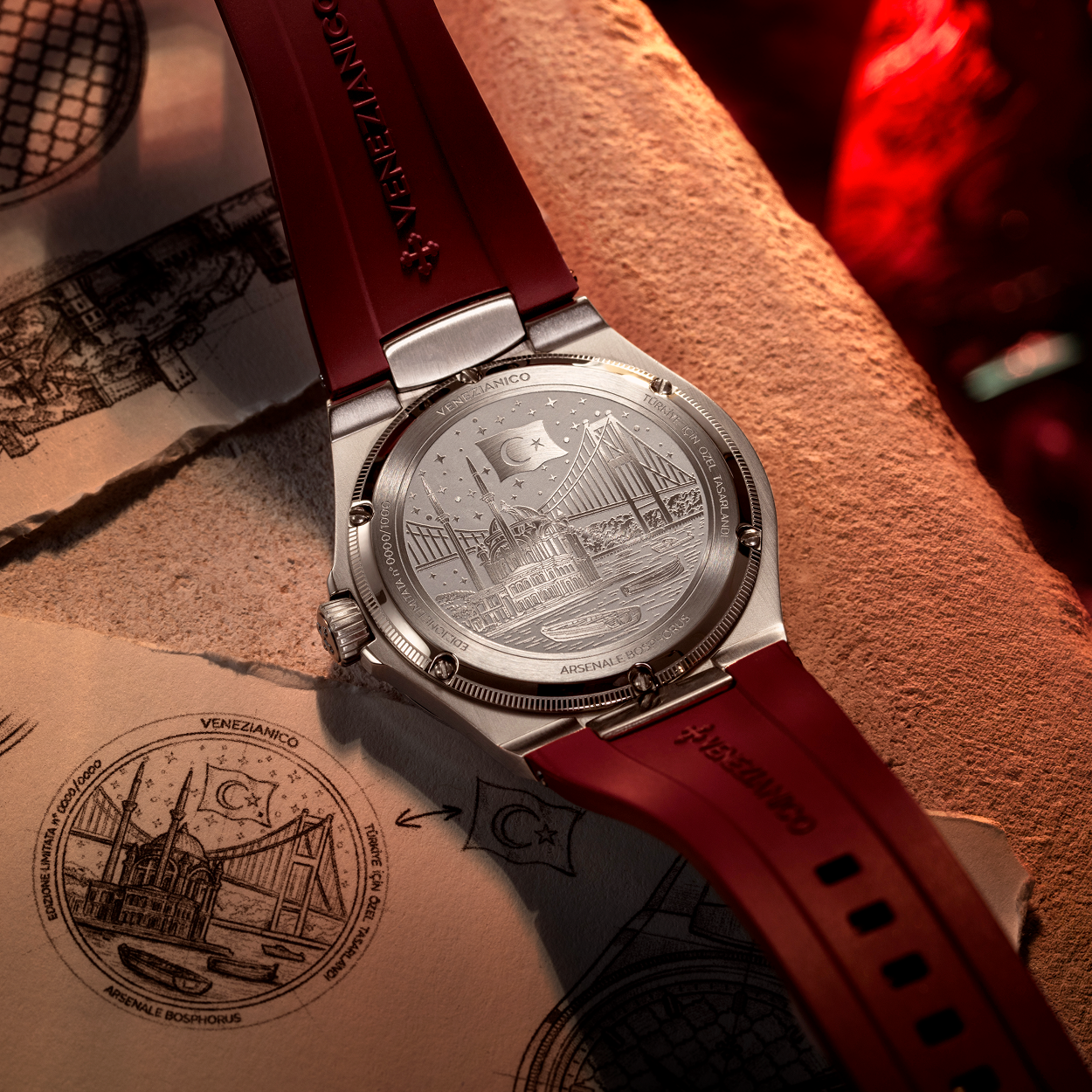
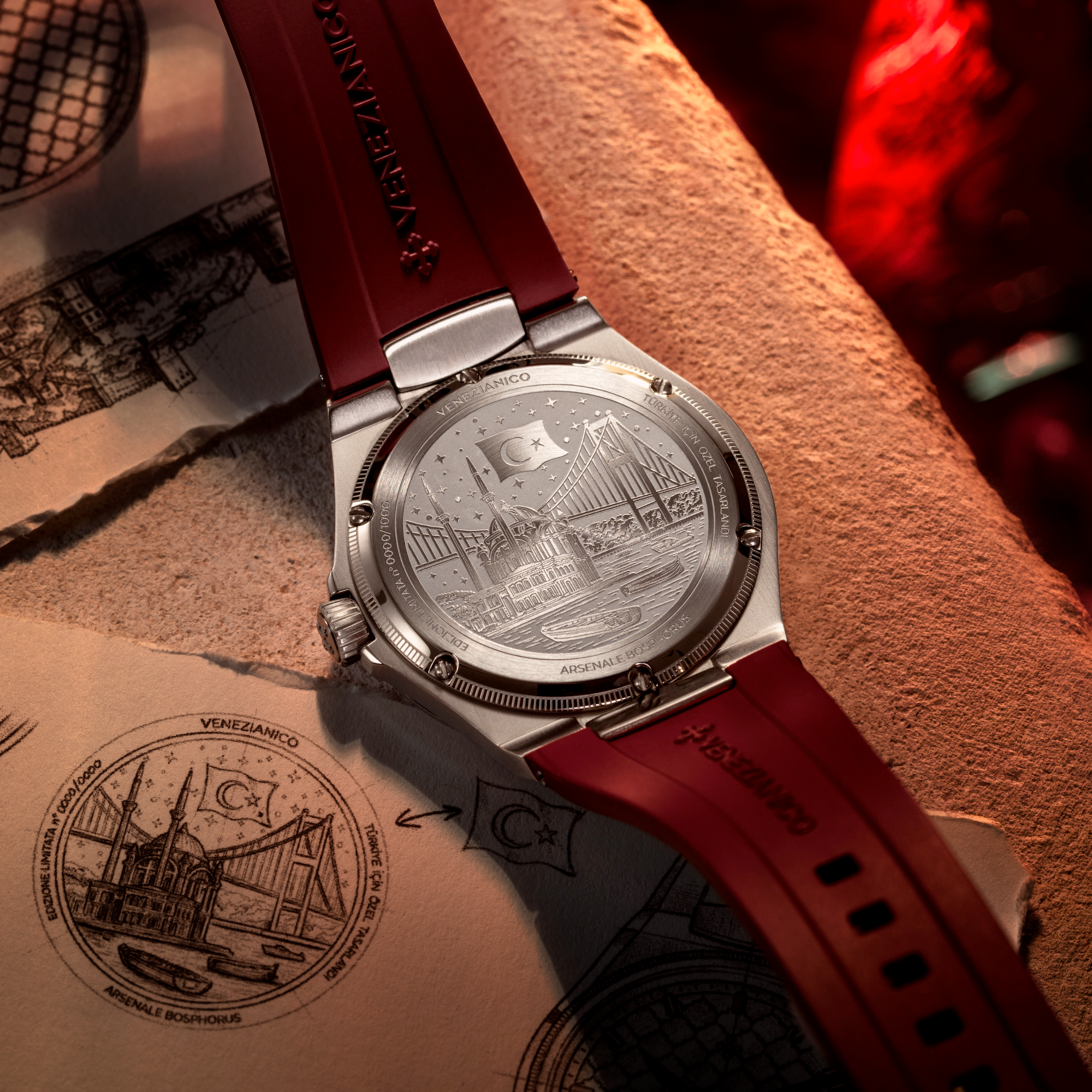
The caseback celebrates one of Turkey’s most iconic views. At the center of the composition stands the Ortaköy Mosque, overlooking the waters of the Bosphorus, while in the background rises the 15 July Martyrs Bridge, a symbol of modern Istanbul. The scene is completed by the Turkish flag waving above the landscape and by the vessels crossing the strait, recalling the Bosphorus’ historic role as a meeting point between continents, cultures, and civilizations. The engraving embodies the dialogue between history and modernity, celebrating Istanbul’s rich cultural heritage and its enduring role as a bridge between continents.
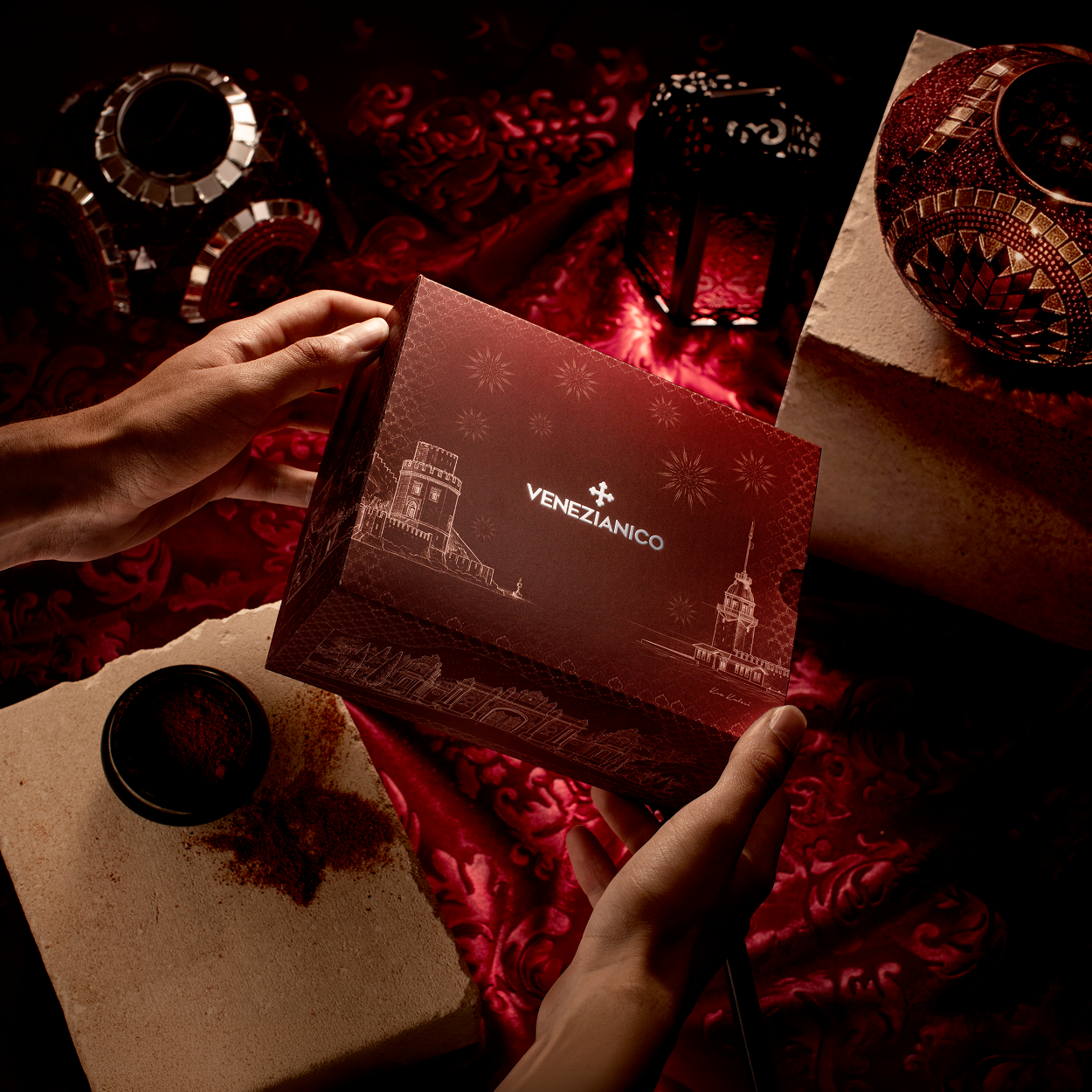
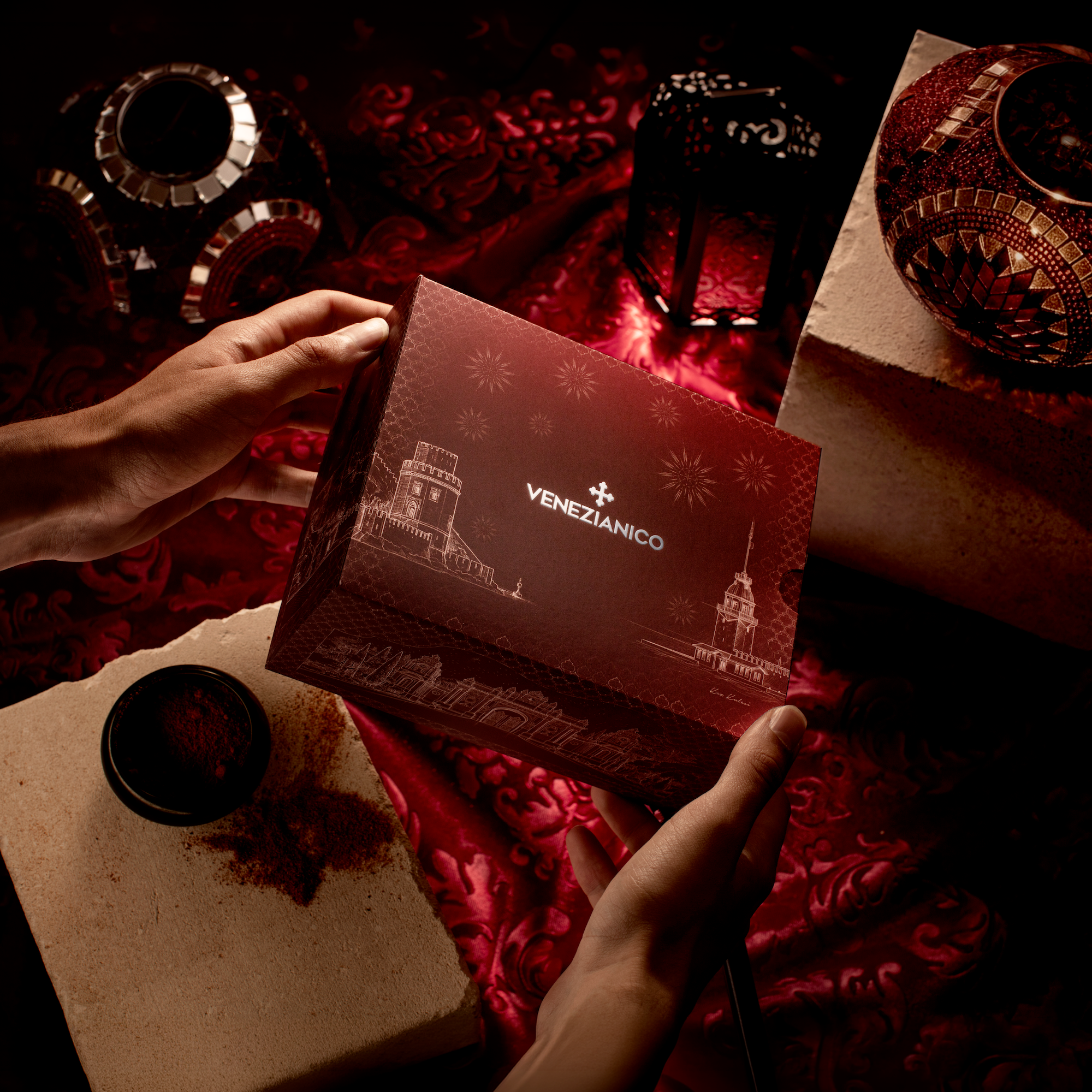
The sleeve of Arsenale Bosphorus is conceived as an illustrated travel journal. Monuments, landscapes, and symbols of Turkish culture intertwine in a composition that accompanies the collector on a journey across the Bosphorus, Anatolia, and some of the country's most iconic locations. On the reverse side, a dedicated map completes this visual narrative, transforming the packaging into a tribute to the history, geography, and identity of Turkey.
The caseback celebrates one of Turkey’s most iconic views. At the center of the composition stands the Ortaköy Mosque, overlooking the waters of the Bosphorus, while in the background rises the 15 July Martyrs Bridge, a symbol of modern Istanbul. The scene is completed by the Turkish flag waving above the landscape and by the vessels crossing the strait, recalling the Bosphorus’ historic role as a meeting point between continents, cultures, and civilizations. The engraving embodies the dialogue between history and modernity, celebrating Istanbul’s rich cultural heritage and its enduring role as a bridge between continents.
The sleeve of Arsenale Bosphorus is conceived as an illustrated travel journal. Monuments, landscapes, and symbols of Turkish culture intertwine in a composition that accompanies the collector on a journey across the Bosphorus, Anatolia, and some of the country's most iconic locations. On the reverse side, a dedicated map completes this visual narrative, transforming the packaging into a tribute to the history, geography, and identity of Turkey.


